
5 May 2025
2:00 PM to 4:00 PM
46 Tras Street
Singapore 078985
SGD$30
Registration closes on 30 April 2025, or when all spots are filled, whichever comes first.
Limited Spots Available!
This exclusive professional development seminar is limited to a small group, with only 10 spots available.
Dr. Puah Ken Lee is an orthopaedic surgeon sub-specialising in shoulder and elbow conditions and sports injuries. With extensive experience in minimally invasive techniques, he has a particular focus on elbow arthroscopy for diagnosing and treating complex elbow disorders. Dr. Puah is committed to advancing patient care through collaboration with physiotherapists, optimizing recovery, and improving functional outcomes. In this session, he will share insights into common elbow conditions and the evolving role of arthroscopy in treatment.
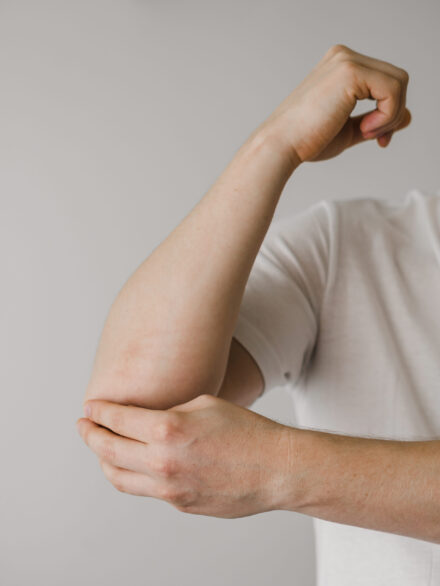
Look at it this way. When you head to the hospital for shooting arm pain, the immediate course of action is to check your heart, not your arm. The symptoms down your arm are just a result of a problem elsewhere in the body. Similarly, the SFMA focuses on underlying dysfunctional movement to find the cause of pain, not just the source. This concept is better known as regional interdependence – how seemingly unrelated problems are actually driving the dysfunction.
What makes SFMA unique? We are the first organized system that takes into account altered motor control – the inability to coordinate proper movements. This system allows us to identify the correct problems – mobility versus motor control – to best equip clinicians for a successful outcome.
There are many great mobility treatment systems, but in the SFMA, we introduce you to our methodology on reprogramming motor control. We use the neurodevelopmental perspective – the way we learn to move as infants – to create a system to reteach our brains how to communicate with our bodies.
When you leave this course, you will be armed with a repeatable diagnostic system to apply the manual techniques already in your toolbox, as well as now add a motor control component tool. The primary focus of Level 1 is to empower participants to not only gain experience with the assessment, but also to develop confidence to successfully integrate the system into their clinical practice.
Who should attend: Physiotherapists, Osteopaths, Chiropractors, Rehabilitation Therapists (with relevant professional degrees), Medical Doctors and Physiotherapy Students.
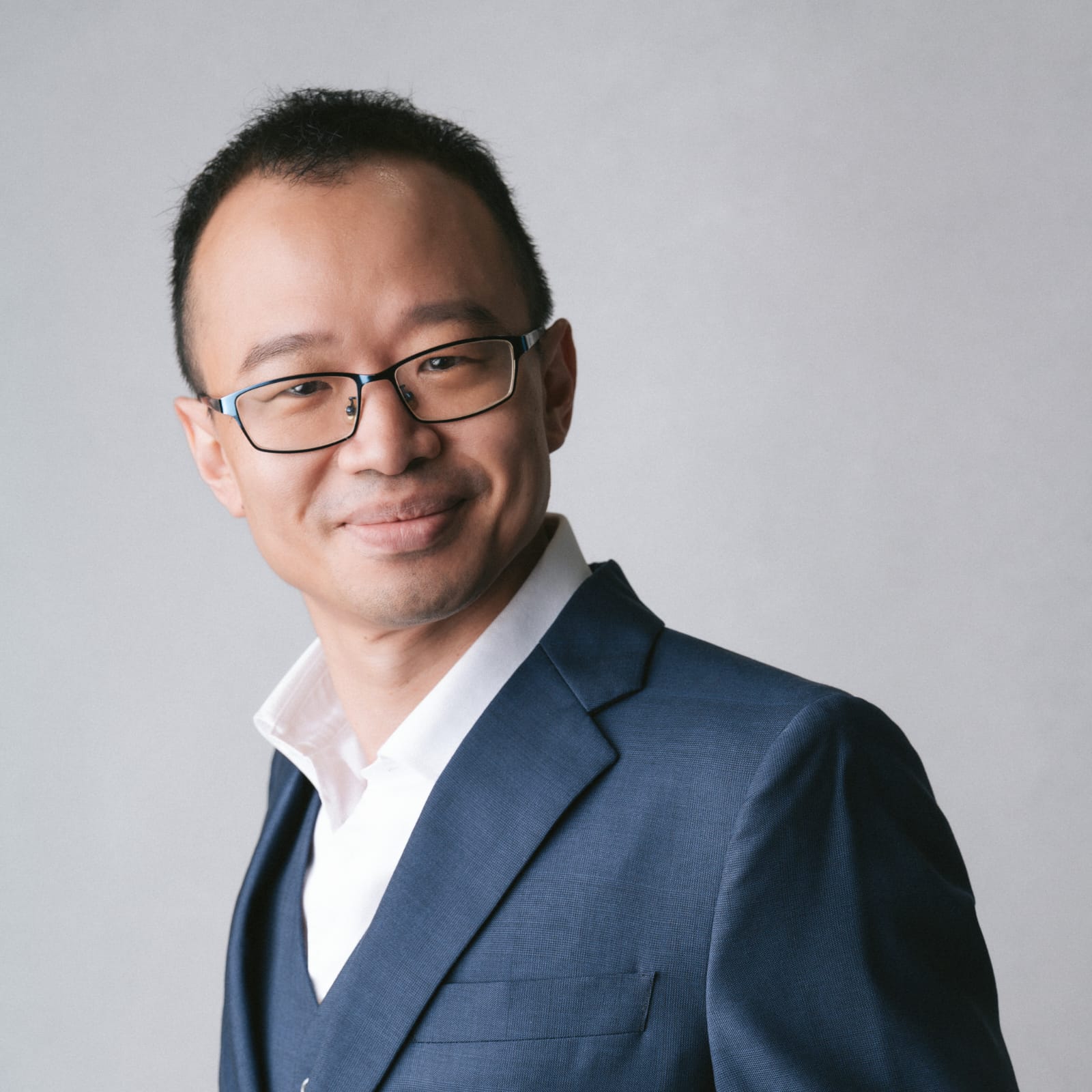
Dr Puah is a Consultant Orthopaedic Surgeon at the Artisan Sports & Orthopaedics Clinic and a Visiting Consultant to the Department of Orthopaedic Surgery, Singapore General Hospital (SGH). Prior to entering private practice, he was a Consultant Orthopaedic Surgeon at the Sports Service, Department of Orthopaedic Surgery, SGH where he concurrently held academic appointments at all 3 medical schools in Singapore. Dr Puah is a graduate from NUS Yong Yoo Lin School of Medicine and completed his Orthopaedic Residency Training under the SingHealth Orthopaedic Residency Programme where he was SIngHealth’s first Chief Resident for Orthopaedic Surgery. He has completed fellowship training in Shoulder and Elbow and Sports Surgery at Switzerland, France and USA under Prof Med Ralph Hertel, Dr Laurent Lafosse and Dr Felix ‘Buddy’ Savoie III respectively. He is the current chair of the Singapore Shoulder and Elbow Society, Vice-Chairman of the Chapter of Orthopaedic Surgeons, Academy of Medicine Singapore and Elbow Scientific Chair of the Asia-Pacific Orthopaedic Association Hand and Upper Limb Society.
Registration and Payment: Registration is on a first-come, first-served basis. Submission of the registration form does not guarantee a place in the course. Payment must be received by the due date prior to attending the training. Further payment instructions will be provided after submission of the registration form.
Confirmation: Registration is confirmed upon receipt of payment or issuance of an invoice.
Cancellation: No refunds will be provided for participant cancellations, including medical leave.
Event Cancellation: Payment does not guarantee that the event will proceed as planned. If the event is cancelled, a full refund will be issued to all registered participants. No additional claims will be accepted.